Related Article: How Neutrinos Build new Bones and Teeth
What Flouride does to
your Body. The Simple Facts
During the last 24 months Utah became the first U.S. state to ban water fluoridation, followed by a similar ban in Florida. Multiple cities and counties across the U.S. are also moving to stop adding fluoride to public water systems. The city of Portland, Oregon, Oregon does not fluoridate its water supply. Voters have rejected fluoridation proposals multiple times, most recently in 2013, making Portland the largest city in the United States without it. Having lived in Utah myself for over 5 years during my years studying at University, I was wondering why this was done. I have been living in Australia now for a few years now and decided to check on how much flouride was being added to waterin New South Wales, a region that includes Sydney.
My current research, according to health.nsw.gov discovered that the median amount of fluoride added to public drinking water is 1.02 mg/L with a standard deviation of +/- 0.05 with a median result of 1.02 mg/L with a standard deviation of +/- 0.05. Specifically regarding Sydney Water Corporation, 99% of the 2800 samples analysed and reported to NSW Health were within the required range of 0.9-1.5 mg/L. The results ranged from 0.05 to a high of 1.21 mg/L with a median result of 1.02 mg/L with a standard deviation of +/- 0.05.

Reference for above screen shot
As of the latest available data, New South Wales (NSW) has the highest proportion of its population with access to fluoridated drinking water among Australian states and territories. Approximately 96% of the NSW population receives fluoridated water, one of the highest levels of fluoridation in Australia.
IQ and Flouride in Drinking Water
A research study (1) that looked at cognitive development and the amount of flouride present in public drinking water found that there was a substantially linear decrease in IQ for increasing water that had been flouridated above 1 mg/L, with −3.05 (95% CI −4.06; −2.04) IQ points per 1 mg/L up to 2 mg/L, becoming steeper above such level. In simple summary certain regions in New South Wales Australia have increased levels of flouride 0.2 levels above the safety threshold required for safe neurocognitive development.
Queensland Health authorities state that fluoride levels in Queensland Australia are lower than other states because of the hot climate; more people drink more water. Hence, when temperatures rise in New South Wales, people will drink more water, possibly causing an increase in bodily flouride levels.
Excess Flouride Intake from Diet and Environment
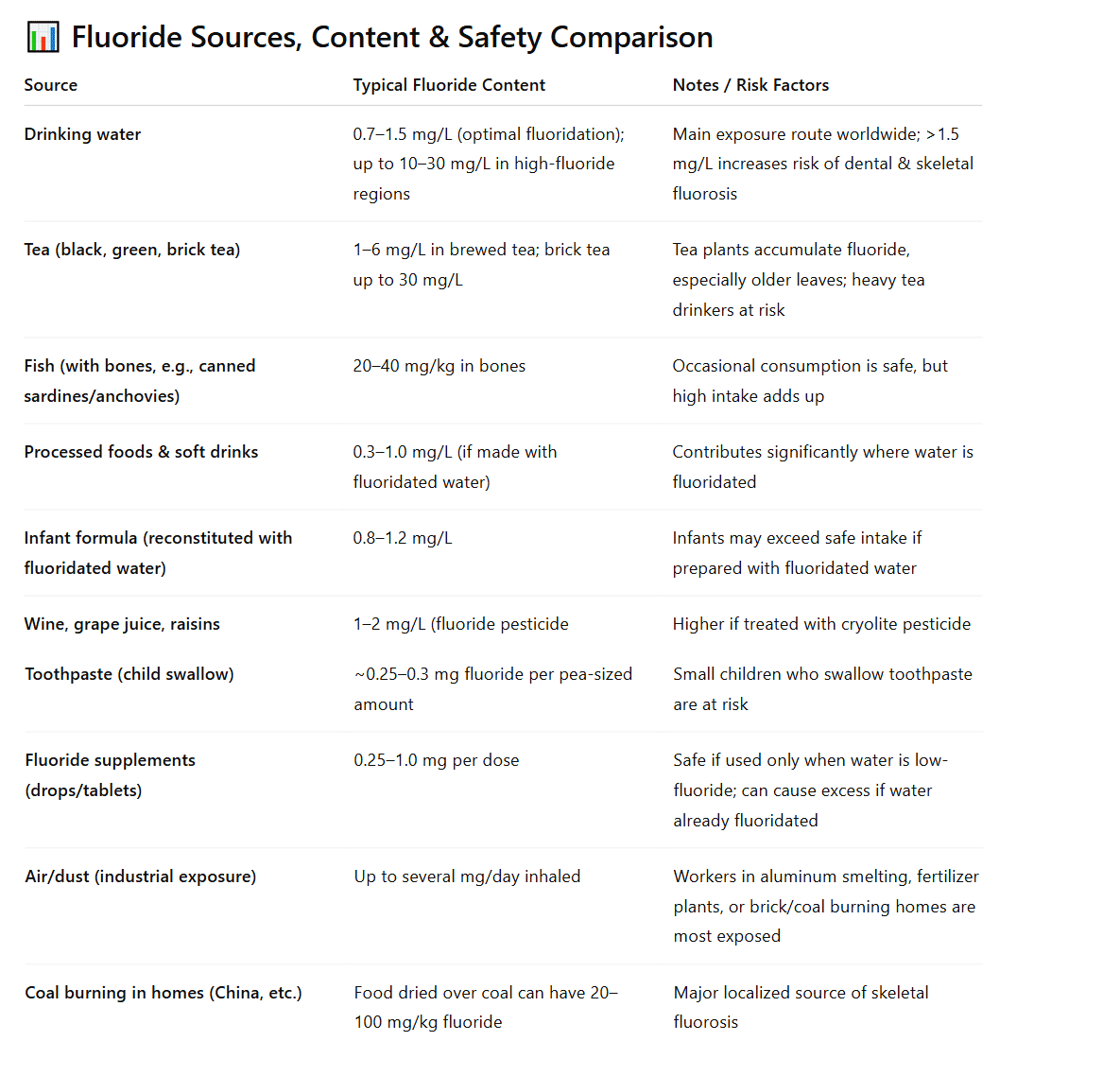
This may not be of much concern, however what about people who are living n environments that contain high levels of flouride? This would mean that if people in these regions drank a lot of public drinking water and had a high intake of flouride in their diet that they would be above the 1 mg/L safety level Let's take a look at some factors that may contribute to this:
Foods and drinks highest in fluoride: black tea, coffee, seafood like shrimp and oysters, raisins and grapes, and some leafy green vegetables such as spinach. Also the concentration of fluoride in foods depends heavily on the mineral content of the soil and water where the food was grown. Soils high in flouride will carry this excess flouride into the food chain (2).
Volcanic soils have higher concentrations of fluoride (3).
According to the Australian Government (4) - National Health and Medical Research Council, flouride levels in groundwater can exceed 1.5 mg/L.
Recently, authorities decided to deliver bottled water for children under 12 and pregnant women in two remote Northern Territory communities with high natural levels of fluoride (1.7 to 1.9 mg/L).
Who is most at risk of excessive Flouride Intake?
Only 50% of the daily ingested fluoride is excreted through the kidneys. The remainder accumulates in bones, the pineal gland, and other tissues. Initial studies on animals showed that fluoride accumulation in the pineal gland led to reduced melatonin production and an earlier onset of puberty. Fluoride toxicity can lead to renal damage in children. Researchers (5) studied 210 children living in areas of China with varying levels of fluoride in water (0.61–5.69 ppm). Among this group, the children drinking water with more than 2 ppm fluoride – particularly those with dental fluorosis – were found to have increased levels of NAG and y-GT in their urine, both of which are markers of kidney damage. A diseased kidney is unable to effectively excrete fluoride, so individuals with compromised kidneys are at risk of developing fluorosis even at normal recommended limit of 0.7–1.2 ppm.
Fluoride as a neurotoxin has been proven in several animal studies (6). A 2006 National Research Council report stated that it is apparent that fluorides have the ability to interfere with the functions of the brain and the body by direct and indirect means.This finding was confirmed by a study where groups of children exposed to 8 ppm fluoride in water were found to have lower average IQs (7), less children attaining high IQ, and more children affected by low IQ. While 8 ppm is much higher than the fluoride level added to water in fluoridation programs (0.7–1.2 ppm), these results are in congruence with previous studies from China that indicate that fluoride may affect IQ at lower levels (8).
If fluoride is added to water which contains aluminum, then aluminum fluoride complexes will form. Aluminum fluoride complexes have the potential to interfere with many hormonal and some neurochemical signals (9). Aluminum fluoride was recently nominated by the Environmental Protection Agency (EPA) and National Institute of Environmental Health Sciences as a “high health research priority” due to its “known neurotoxicity (10).”
Much of the data regarding excess Flouride intake points to young children and women who are pregnant with studies confirming that flouride levels that exceed the safety threshold can result in lower IQ children.
Further research studies may show people who have elevated levels of flouride in their body received these elevated levels from water, food, soil and environments high in flouride. Examples:
A person who regularly goes to their dentist to have their teeth cleaned.
Brushed their teeth 3 times daily using toothpaste that contains flouride.
Drank Black Tea up to 3 times daily.
Lived in a region where either groundwater or public drinking water exceeds 1.02 mg/L.
If a person has kidney disease, they may be more susceptible to fluoride toxicity (11).
Flouride Levels in Beer
Australia is among the higher beer-consuming countries on the global scale, though it's not at the very top. Beer Consumption by Country (per capita)
Czech Republic: The Czechs are consistently at the top, with about 140-150 liters per person annually.
Germany: Also a beer-loving country, with an average consumption of around 100 liters per person.
Austria: Similar to Germany, with about 100 liters per person.
Australia: Australians consume around 70-80 liters per person annually with beer outpacing wine.
Women who drink lots of alcohol during pregnancy (given Australia's drinking age is 18, this would cause more young people to be more at risk) may be putting their children at risk. In human studies (12), prenatal binge drinking has been associated with low verbal IQ, learning problems, poorer school performance, and an increase in delinquent behaviour, as assessed by both parents and teachers. A lot of beer is made in New South Wales. The flouride levels in beer are influenced by the water source used in brewing and the type of beer.
While I could not find any research on Australian beer, the highest levels of Flouride in beer were recorded in beers from Thailand (0.260 ppm), Italy (0.238 ppm), Mexico (0.210 ppm), and China (0.203 ppm). The study concluded (13) that beer can be a significant source of fluoride for humans, which is mainly associated with the quality of the water used in beer production.
The Risks of Excess Flouride in Developing Children
The biggest risk factor for dental fluorosis (a cosmetic condition of the tooth enamel caused by excessive fluoride intake) is in Fluoride can cross into the brain and accumulate, particularly in regions linked to learning and memory (like the hippocampus),appropriate use of fluoridated toothpaste in young children (14). Fluoride can penetrate the placental barrier and the BBB, and thus fluoride exposure during the fetal and neonatal periods is dangerous (15).
In another study, the effects of fluoride on cognition were investigated using a novel object recognition test (non-spatial cognition) and the Morris water maze (MWM, for spatial learning). It was found that fluoride impaired the retention of non-associative long-term memory rather than habitual persistence (16). In addition, fluoride exposure resulted in impaired spatial memory in mice (Liu et al., 2014). Wang et al. reported that perinatal fluoride exposure induced learning and memory impairment in offspring mice (Wang et al., 2018) (17). Several experimental studies in rodents have shown that the learning and memory abilities of the high-fluoride-exposure group are significantly lower than those of the control group (18).
After a child is born, if they live in regions where the following exist, their developing cognitive faculties may be at risk:
Pesticides (organophosphates, DDT residues, etc.) → disrupt neurotransmitters and neurodevelopment.
Air pollution / fine particulate matter (PM2.5, NO₂) → linked with lower working memory and verbal IQ.
High chronic stress (including abuse, trauma, or toxic stress in childhood) → elevates cortisol, which damages hippocampal neurons and impairs learning/memory.
Low education / limited literacy environment → reduces the brain’s ability to develop complex reasoning.
According to a study conducted by the National Toxicology Program titled: Fluoride Exposure: Neurodevelopment and Cognition ,the authors quote a January 2025 research paper (20), which states that after reviewing 74 research studies that they found significant inverse associations between fluoride exposure and children's IQ scores, despite variations in exposure and outcome measures. For urinary fluoride, the inverse relationships were consistent at all measured levels. Among studies with low risk of bias, similar inverse associations were observed for both water and urine fluoride levels at all thresholds tested. This supports an earlier study conducted in 2019 titled: Developmental fluoride neurotoxicity: an updated review, published by Philippe Grandjean (21) which stated elevated fluoride intake during early development can result in IQ deficits. The researcher in this paper stated the cause of this is because children and infants naturally retain higher levels of fluoride in their body, compared to adults (between 80 and 90%, compared to between 50 and 60% in grown adults. While the blood-brain barrier generally protects the adult brain from toxic agents, this protection is less likely in the fetus and small child whose blood brain barrier is still developing. Also flouride accumulation is greatest in growing bones and developing newly developing teeth (22). And recently, only a year ago researchers discovered that Fluoride Alters Gene Expression (23)
Other Findings:
A meta-analysis conducted in 2012 by the Harvard School of Public Health (24), discovered that children in high-fluoride areas had, on average, IQ scores 7 points lower than those in low-fluoride areas.
In a recent August 2019 Canadian study (25), researchers found a 1-mg higher daily intake of fluoride among pregnant women was associated with a 3.66 lower IQ score (95% CI, −7.16 to −0.14) in boys and girls. Researchers concluded that maternal exposure to higher levels of fluoride during pregnancy was associated with lower IQ scores in children aged 3 to 4 years.
Additional Risks:
High fluoride exposure increases the production of free radicals (reactive oxygen species) (26). This can lead to excessive oxidative stress, which in turn can damage neurons, impair synapse formation.
Enhanced levesl of oxidative stress can damage the kidneys (27).
Regions and localities that are removing Flouride from their Public Drinking Water
As of late 2025, the states of Utah and Florida have banned or are moving to ban the addition of fluoride to public drinking water, with Utah being the first and Florida quickly following thereafter. Kentucky, Massachusetts, and Nebraska are among several U.S. states where legislative efforts or public debate are currently underway to restrict or end water fluoridation.
In Washington State, home to Microsoft and Amazon, according to the Washington State department of health, it does not require public water systems to add fluoride to drinking water and leaves it up to the community.
What happens when flouride is removed from the public water supply?
A research study (28) identified 15 instances of Cessation of community water fluoridation in 13 countries from 1956–2003. The authors of the study stated that the literature is highly diverse and variable in methodological quality.
GERMANY
Authorities initially expected an overall increase in dental cavities in the residents following the cessation of adding fluoride to the water in the cities of Chemnitz and Plauen. However over time studies showed a significant fall in cavities instead. The researchers stated (29) that the causes for the reduction in cavities were due to improvements in attitudes towards oral health behaviour and, on the other hand, to the broader availability and application of preventive measures (F-salt, F-toothpastes, fissure sealants etc.). However, the main mechanism is still a mystery and the researchers recommend further analysis of the trends in the formerly fluoridated towns are necessary to find the explanation. During the 1980s–1990s use of fluoride toothpaste, topical fluoride programs and other non-water fluoride deliveries expanded widely in many countries. Kunzel and other German authors explicitly note that alternative fluoride sources (especially toothpaste) can produce substantial prevention and help explain why caries continued to fall after water fluoride levels were reduced/removed. After political/economic changes (e.g., German reunification) access to preventive dental care, school programs, oral-health education and dental services changed quickly. Where prevention programs, increased dental visits, sealants, varnishes or public health campaigns expanded, they can reduce caries regardless of water fluoridation.
CUBA
In 1997 Cuba stopped adding fluoride to its city's water. In March 1997, a study in La Salud, Province of Habana, Cuba (30) aimed to investigate trends in dental caries following the cessation of water fluoridation in 1990. A total of 414 children aged 6-13 were assessed using diagnostic techniques from previous studies in 1973 and 1982. Notably, from 1973 to 1982, there was a significant decline in the average DMFT and DMFS values and an increase in caries-free children. Surprisingly, in 1997, despite the lack of fluoridation, caries prevalence remained low among younger children, with slight declines noted in older age groups. The percentage of caries-free 12-13-year-olds increased to 55.2%.
What caused the reduction in Cavities after removal of Flouride from Public Drinking Water?
The collapse of the Soviet Union in 1991 caused Cuba to lose its main trading partner and caused heavily subsidized imports, including fuel, food, fertilizer, and manufactured goods. During this time Sugar availability (both as an export crop and as a domestic sweetener) shrank dramatically. This caused a shift toward urban organic farming and bicycling for transport.
Sugar intake dropped (major driver of dental caries).
Processed foods were scarce, reducing frequent sugar exposures.
Even though water fluoridation was stopped in 1990, the drastic fall in cariogenic diet (plus continued use of fluoride toothpaste and preventive dental services) meant that caries prevalence fell in La Salud.
Kunzel’s 2000 study (31) explicitly notes the Special Period context when explaining why caries decreased instead of increasing after cessation.
Summary
The Cuban Special Period created a unique “natural experiment”: despite ending water fluoridation, caries rates fell because Cubans were suddenly consuming much less sugar and processed food. This dietary effect outweighed the loss of fluoride in drinking water.
Why are Global IQ's in Decline?
For much of the 20th century, researchers observed a phenomenon known as the Flynn Effect: a consistent rise in average IQ scores in many parts of the world. This effect was especially noticeable from the early 1900s to the 1980s, where IQ scores in many countries rose by about 3 points per decade.
Factors contributing to this rise in IQ included:
Improved nutrition
Better education systems
Increased access to information
Health and sanitation improvements
Recent Declines in IQ Scores
In the last few decades (starting around the 1990s), there have been studies that suggest a decline in IQ scores in certain developed countries, including Denmark, Norway, and some parts of the United States.
Some studies show a decline of about 1-2 points per decade in IQ scores. This is the opposite of the Flynn Effect.
Possible Causes for the overal Decline in IQ Scores
While it’s a debated topic, some of the reasons that have been proposed for the decline in IQ scores include:
Environmental factors:
Declining health: Increased exposure to pollutants, poor diets, and rising rates of mental health issues may be factors.
Lead exposure: High levels of environmental lead, particularly in the mid-20th century, had a detrimental impact on cognitive function, but these levels have been decreasing in many countries.
Hypothesis
Increased Urbanization causes increased pollution, which can also impact a healthy diet. This combined with excessive flouride intake may be creating a compounding effect.
Top Global IQ-Lowering Factors (Highest Impact)
Iodine Deficiency. Historically the largest single cause of preventable intellectual disability worldwide. We've also seen in the last 10 years a sort of increasing body of evidence (32) that even mild iodine deficiency may cause measurable decreases in child IQ. It may be enough to impact brain development.
Lead Exposure. From old paint, pipes, gasoline, and industrial pollution. Associated with 2–7 IQ point losses per 10 µg/dL increase in blood lead (33).
Malnutrition (especially protein-energy malnutrition). Moderate to severe malnutrition during infancy is associated with a significantly elevated incidence of impaired IQ in adulthood, even when physical growth is completely rehabilitated. Can lower IQ by 10+ points if prolonged in early life (34).
Calcium Deficiency
A calcium deficiency or general malnutrition increases the absorption and retention of fluoride (35), leading to a greater risk of fluorosis. Calcium binds with fluoride to form insoluble compounds that are not absorbed, so insufficient dietary calcium allows more fluoride to be absorbed by the body. This has been confirmed in studies conducted in Ethiopia, which found linear relationships between the development of skeletal fluorosis and Flouride levels in drinking water
Iron Deficiency. Causes lower verbal intelligence. Especially harmful during pregnancy and infancy. Leads to lasting attention and memory deficits (36). Affects nearly 40% of children under 5 globally.
ref
Air Pollution. Researchers determined that children's IQ in the area with high pollution was 7.48, lower than that in moderate pollution, and 16.628, lower than that in the region with low pollution (37).
Arsenic in Drinking Water. Exposure to arsenic in drinking water was associated with neurotoxic effects and significantly lower mean IQ grades in children (38). The study also noted a dose-response relationship, with children exposed to higher arsenic levels showing greater cognitive impairments.
The Diabetes Connection
As stated at the very start of this article, as of July 2025, Florida has removed Flouride from its public drinking water supply. Florida just happens to be a state with high prevalence rates of diabetes that are growing and exceeding the national average. The population of Florida represents only 6% of the total population in the United States,2 but the total cost of diabetes in Florida represents 10% of the total cost of diabetes in the United States (39). Florida is now called the "diabetes belt" Could there be a link between Diabetes and Flouride intake? Let's take a look at the facts for any answers.
Besides flouride accmulating in the pineal gland (40), the kidney is exposed to higher concentrations of fluoride than all other soft tissues (40).
In a research study titled: Kidney Patients Are at Increased Risk of Fluoride Poisoning (41), the researchers state that kdneys are the main route of elimination for flouride. If kidney function is impaired, or intake is very high, more fluoride stays in the body because the kidneys have a reduced ability to excrete the fluoride from the body.
1. Kidney Excretion Issues
The kidneys are the main route of fluoride elimination. Diabetics often have some degree of kidney impairment (diabetic nephropathy, reduced filtration rate). If kidney function is reduced, fluoride excretion drops → higher accumulation in the pineal gland.
2. Polydipsia (Excess Thirst)
People with uncontrolled diabetes often drink more water. In fluoridated regions (or areas with naturally high-fluoride groundwater), this means higher daily fluoride intake, sometimes above safe limits.
3. Bone & Joint Risks
Diabetics are already at higher risk of osteoporosis and bone fragility. Since fluoride accumulates in bone, excess exposure in diabetics with poor renal clearance can exacerbate skeletal problems.
4. Additional Soft Tissue Effects
Fluoride can accumulate in arteries and pineal gland. In diabetics, where vascular health is already compromised, there’s concern that long-term accumulation may worsen vascular calcification and oxidative stress
Fluoride is potentially more hazardous for diabetics because:
Kidney impairment reduces fluoride clearance.
Polydipsia increases fluoride intake.
Metabolic effects may worsen glucose tolerance.
Bone fragility risk is compounded.
Summary
While ordinary fluoridated water levels (0.7 ppm) are considered safe for most people, diabetics (especially with kidney issues or very high water intake) may be more susceptible to fluoride accumulation and its systemic effects.
Is IQ related to Conscious Awareness?
Could there be an interaction between flouride and consciousness? This is currently hot debated topic. Below are some links relating to this hypothesis.
Quora:
Do people with a higher IQ have more conscious awareness?
Is consciousness really a product of intelligence?
Consciousness and intelligence
How IQ and Self-Awareness Work Together for Growth
IQ and Productivity
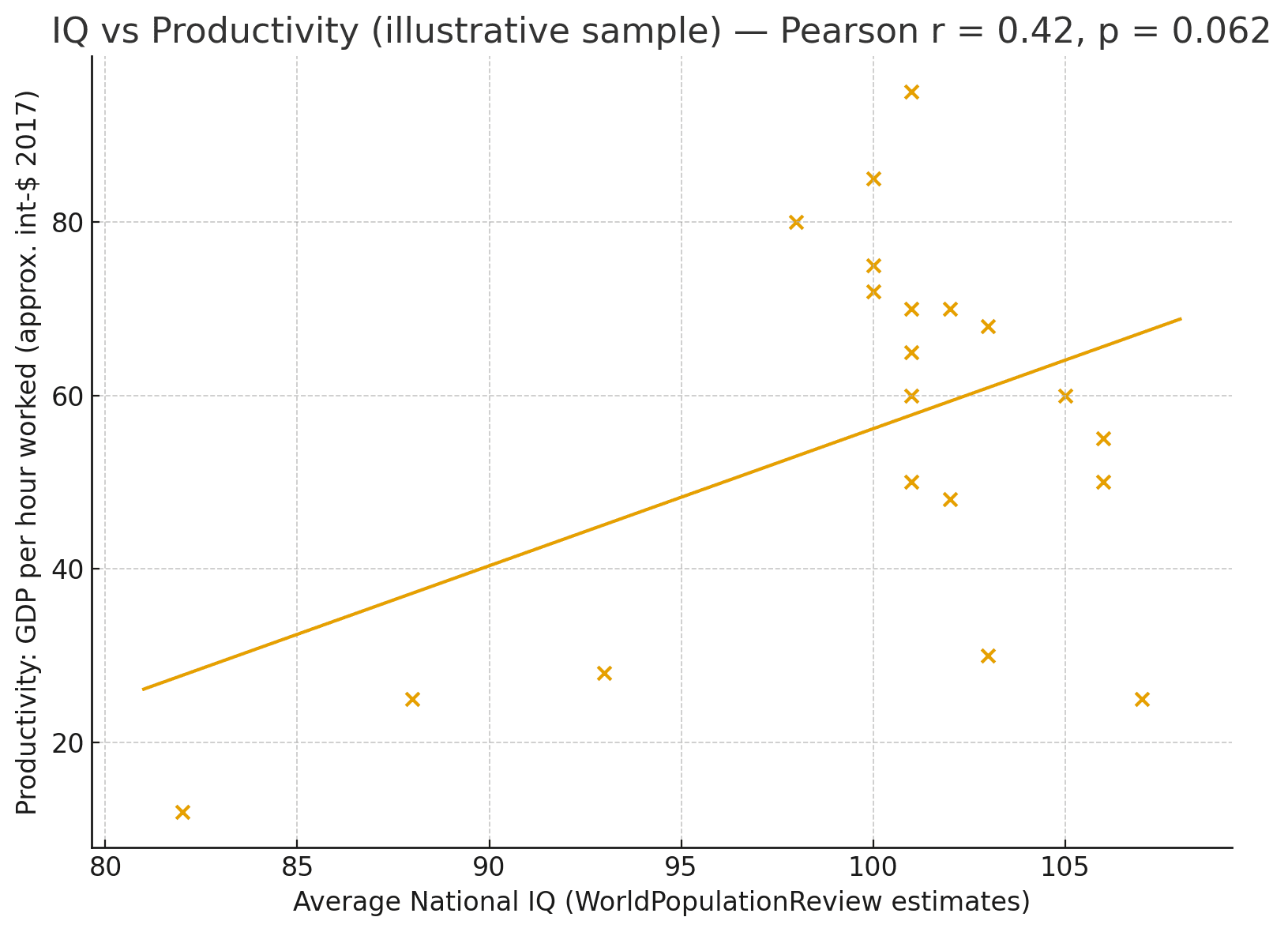
It may be that nations whose citizens have healthy IQ levels are more productive. Let's review the data for clues:
1. At the Individual Level
Higher IQ is associated with better job performance and higher productivity, especially in complex jobs.Why?
IQ (or “g”) measures general problem-solving ability.
Smarter workers learn faster, adapt better, and can handle complex tasks with fewer errors.
This effect is strongest in jobs requiring analysis, planning, or technology use.
Meta-analyses: IQ is one of the best predictors of job performance (correlations ~0.3–0.5 depending on the complexity of the job).
2. At the National Level
Cross-country studies show that nations with higher average IQs tend to have higher GDP per capita and productivity.Example: One econometric study found a 1-point increase in average IQ is associated with ~0.5% higher GDP per capita long-term.
Mechanisms:
More efficient workforce → more innovation and better use of technology.
Higher human capital → attracts investment, builds stronger institutions.
Better decision-making → fewer losses from corruption, mismanagement, or instability.
3. Important Moderators & Limits
IQ isn’t the only factor in productivity — its effect depends on context:
Institutions & governance: Even high-IQ populations won’t reach full productivity under corruption, weak rule of law, or poor infrastructure.
Education & health: IQ potential is maximized only when people have good schooling, nutrition, and healthcare.
Capital & technology: A clever workforce needs tools and infrastructure to translate ability into output.
Distribution of ability: A wide base of moderately high ability often contributes more to productivity than a few geniuses.
Summary
Individual level: Higher IQ → higher learning capacity, efficiency, and job performance.
National level: Higher average IQ → higher productivity and economic growth, but only when paired with good institutions, education, and technology.
Big picture: IQ matters, but it’s a multiplier — it makes good systems work better, but it can’t substitute for missing infrastructure or governance.
The following graph is from IQ values: taken from the World Population Review “Average IQ by Country 2025” table (their Lynn/Becker-derived estimates and related sources).


Testing for Flouride Levels in Your Diet and Environment
Flouride levels in the food environment can be tested using a Flouride Home Test Kit. However, as to date there is not test kit for detecting the levels of Flouride in the Human Body. To test for fluoride levels in the human body, a doctor must order a urine or blood test to measure exposure.
Solutions
If you believe you have excess flouride levels in your body, than Calcium and magnesium, whether from salts or plant sources, can effectively reduce fluoride absorption by forming insoluble complexes with fluoride ions, thus decreasing the amount of fluoride that enters the bloodstream. A plant source rich in these minerals, such as Moringa oleifera, can also reduce fluoride absorption (42) by providing the calcium and magnesium needed to bind fluoride in the digestive tract.
If you decide to quit drinking water that contains flouride, the following provides some tips on how you can get healthy levels of flouride in your diet
1. Get Topical Fluoride (not from water)
You don’t need to drink fluoride for it to work — it works mainly on the surface of teeth.
Fluoride toothpaste: Brush 2x/day with fluoride toothpaste (1,000–1,500 ppm).
Don’t rinse right away: After brushing, spit but don’t rinse fully, so fluoride stays on enamel longer.
Mouth rinses: If you’re at higher risk, use an alcohol-free fluoride mouth rinse (0.05% NaF daily).
Professional fluoride: Ask your dentist about varnishes, gels, or prescription pastes (e.g., Prevident 5000).
2. Control Diet (sugar = fuel for cavities)
Limit free sugars: Frequency matters more than total amount. Avoid sipping sweet drinks or snacking on sugary foods all day.
Choose whole foods: Vegetables, protein, dairy, nuts.
Chew sugar-free gum with xylitol after meals → stimulates saliva, which helps remineralize enamel.
Avoid acidic drinks (soft drinks, citrus juices) that erode enamel.
3. Oral Hygiene
Brush thoroughly (2 min, twice daily, with soft bristle).
Floss or use interdental brushes daily → removes plaque between teeth where cavities often start.
Tongue cleaning helps reduce bacterial load.
4. Strengthen Enamel Without Fluoride
Calcium & phosphate support: Some remineralizing toothpastes (like CPP-ACP, e.g., GC Tooth Mousse) provide extra minerals. Black Strap Mollasses is especially a good source of Calcium and Phosphate.
Adequate vitamin D, K2, magnesium support healthy tooth and bone mineralization.
Avoid chronic dry mouth (xerostomia), since saliva is your natural defense.
5. Regular Checkups & Preventive Dentistry
Professional cleanings remove hardened plaque (tartar) that you can’t reach.
Sealants (especially on molars) protect deep grooves.
Early detection: Dentists can stop or reverse early decay before it becomes a cavity.
Summary
Even without fluoridated drinking water, you can prevent cavities effectively by:
Using fluoride toothpaste/rinses/varnishes (topical > systemic).
Limiting sugar frequency and avoiding acidic drinks.
Brushing & flossing daily to disrupt plaque.
Using remineralizing pastes & good nutrition (calcium, vitamin D, etc.).
👉 In fact, studies show that topical fluoride (toothpaste, varnishes) + good diet and hygiene is more important than drinking fluoridated water alone.
Article written by Mr. Scott Rauvers. www.scott-rauvers.com
Scott is the author of Homemade Medicine Remedies for Toothache Relief and Cavity Prevention
Related Article: How Neutrinos Build Bones and Teeth
Cited References
(1) Fluoride exposure and cognitive neurodevelopment: Systematic review and dose-response meta-analysis. Federica Veneri et al. Mar 2023.
(2) Fluoride in Food. Waldbott George MD. June 1963.
(3) Fluoride in Volcanic Areas: A Case Study in Medical Geology. Diana Paula et al. Jan 2019.
(4) Fluoride. Australian Drinking Water Guidelines. nhmrc.gov.au/
(5) The Untold Story of Fluoridation: Revisiting the Changing Perspectives. Maitreyee P Unde et al. Sept 2018.
(6) The Untold Story of Fluoridation: Revisiting the Changing Perspectives. Maitreyee P Unde et al. Sept 2018.
(7) The Untold Story of Fluoridation: Revisiting the Changing Perspectives. Maitreyee P Unde et al. Sept 2018.
(8) The Untold Story of Fluoridation: Revisiting the Changing Perspectives. Maitreyee P Unde et al. Sept 2018.
(9) Fluoride exposure and cognitive neurodevelopment: Systematic review and dose-response meta-analysis. Federica Veneri et al. Mar 2023.
(10) Fluoride exposure and cognitive neurodevelopment: Systematic review and dose-response meta-analysis. Federica Veneri et al. Mar 2023.
(11) Fluoridealert.org
(12) The effects of low to moderate alcohol consumption and binge drinking in early pregnancy on executive function in 5-year-old children. Å Skogerbø et al. June 2012.
(13) Beer as a Rich Source of Fluoride Delivered into the Body. D Styburski et al. Nov 2016.
(14) Fluoride and infants. Health Vic.gov,
(15) Effects of chronic fluorosis on the brain. Chao Ren et al. Oct 2022.
(16) Effects of chronic fluorosis on the brain. Chao Ren et al. Oct 2022.
(17) Effects of chronic fluorosis on the brain. Chao Ren et al. Oct 2022.
(18) Effects of chronic fluorosis on the brain. Chao Ren et al. Oct 2022.
(19) Fluoride Exposure: Neurodevelopment and Cognition. National Toxology Program
(20) Fluoride Exposure and Children’s IQ Scores. A Systematic Review and Meta-Analysis. Kyla W. Taylor et al. Jan 2025.
(21) Developmental fluoride neurotoxicity: an updated review. Philippe Grandjean. Dec 2019.
(22) Developmental fluoride neurotoxicity: an updated review. Philippe Grandjean. Dec 2019.
(23) Fluoride Alters Gene Expression via Histone H3K27 Acetylation in Ameloblast-like LS8 Cells. Shohei Yamashita et al. Sept 2024.
(24) Developmental Fluoride Neurotoxicity: A Systematic Review and Meta-Analysis. Anna L Choi et al. Jul 2012.
(25) Association Between Maternal Fluoride Exposure During Pregnancy and IQ Scores in Offspring in Canada
Rivka Green et al. Aug 2019.
(26) A Role of Fluoride on Free Radical Generation and Oxidative Stress in BV-2 Microglia Cells. Xi Shuhua et al. Aug 2012.
(27) Oxidative stress, anti-oxidant therapies and chronic kidney disease. David M Small et al May 2012.
(28) Does cessation of community water fluoridation lead to an increase in tooth decay? A systematic review of published studies. Lindsay McLaren and Sonica Singhal. May 2016.
(29) Decline of caries prevalence after the cessation of water fluoridation in the former East Germany. Kunzel W et al. 2000.
(30) Caries prevalence after cessation of water fluoridation in La Salud, Cuba. Kunzel W et al. 2000.
(31) Caries prevalence after cessation of water fluoridation in La Salud, Cuba. Kunzel W et al. 2000.
(32) Why is iodine important for my health?. Mayo Clinic.
(33) The effect of lead exposure on IQ test scores in children under 12 years: a systematic review and meta-analysis of case-control studies. Serve Heidari et al. May 2022.
(34) Impaired IQ and Academic Skills in Adults Who Experienced Moderate to Severe Infantile Malnutrition: A Forty-Year Study. Deborah P Waber et al. Nov 2013.
(35) Association Between Dietary Fluoride and Calcium Intake of School-Age Children With Symptoms of Dental and Skeletal Fluorosis in Halaba, Southern Ethiopia. Nahom Tefera et al. Mar 2022.
(36) Iron Deficiency in Infancy and Neurocognitive and Educational Outcomes in Young Adulthood. Patricia East et al. June 2021.
(37) Quantifying the association between PM2.5 air pollution and IQ loss in children: a systematic review and meta-analysis. Naomi C. Alter et al. Nov 2024.
(38) Exposure to arsenic and cognitive impairment in children: A systematic review Yumei Tian et al. Feb 2025.
(39) Transitioning to Value-Based Diabetes Care: A Call for Action Derived from Primary Care Providers in South Florida. François Sainfort et al. Apr 2020.
(40) Exploring the role of excess fluoride in chronic kidney disease: A review. R W Dharmaratne. Nov 2018.
(41) Kidney Patients Are at Increased Risk of Fluoride Poisoning. March 27, 2012. Fluoride Action Network.
(42) Association Between Dietary Fluoride and Calcium Intake of School-Age Children With Symptoms of Dental and Skeletal Fluorosis in Halaba, Southern Ethiopia. Nahom Tefera et al. Mar 2022.